12 Gauge vs 20 Gauge: Which Shotgun Is Right for You?
12 gauge hits harder with more ammo choices; 20 gauge kicks less and carries lighter. Here is how to pick the right shotgun gauge for you.
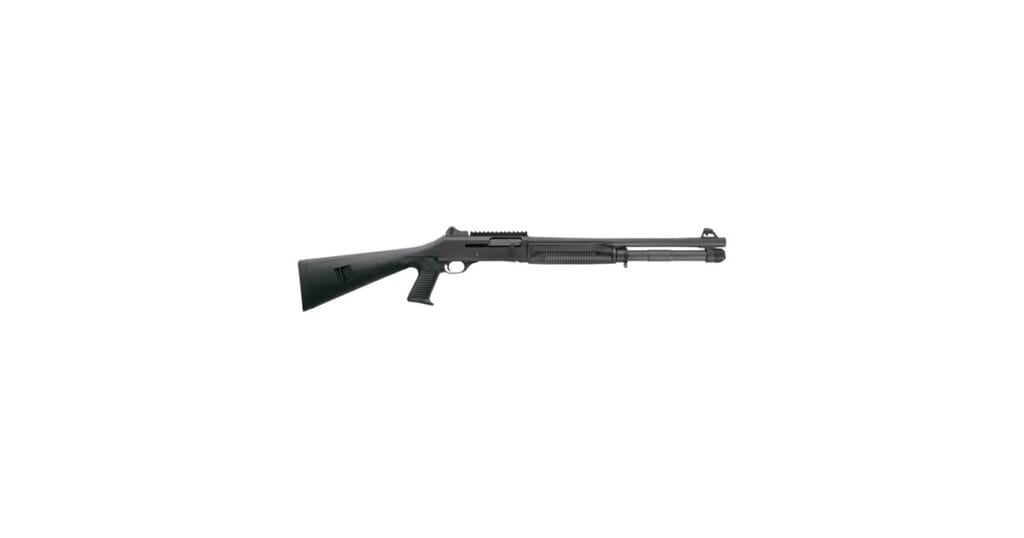
If you are buying your first shotgun, the gauge question comes up before anything else, and it usually gets answered badly. People are told to buy a 12 gauge because it is the standard, or a 20 gauge because it kicks less, and neither piece of advice tells you which one is right for you. Here is the real difference and how to decide.
Short version: 12 gauge hits harder and gives you more ammo choices; 20 gauge kicks less and carries lighter. For home defense and all-around use, 12 gauge is the default. For a smaller-framed shooter, a new shooter, or a lightweight field gun, 20 gauge is often the smarter buy. Both will do the job.
What the gauge number actually means
Gauge is an old measurement, and it works backwards from what you would expect: the bigger the number, the smaller the bore. A 12 gauge has a wider barrel than a 20 gauge. That is it. The 12 pushes a bigger payload of shot; the 20 pushes a smaller one. Everything else, recoil, ammo cost, gun weight, follows from that.
12 gauge: the do-everything standard
The 12 gauge is the most common shotgun in America for a reason. It throws more shot per shell, which means more pellets on target for defense and hunting, and it has by far the widest selection of ammunition, from cheap birdshot to heavy buckshot and slugs. If you want one shotgun that does everything, this is it.
The trade-off is recoil. A full-power 12 gauge buckshot or slug load kicks hard, and for a newer or smaller shooter that can mean a flinch, which wrecks accuracy. The guns also tend to be a bit heavier.
- Best for: home defense, waterfowl and larger game, anyone who wants the widest ammo selection and the most power.
- Give up: some comfort. Recoil is real, though a heavier gun and reduced-recoil loads tame it.
20 gauge: lighter, softer, still serious
The 20 gauge kicks noticeably less and the guns are usually lighter and easier to handle. That makes it a favorite for new shooters, smaller-framed shooters, younger hunters and anyone who carries a shotgun all day in the field. Do not mistake lighter for weak, though. A 20 gauge buckshot or slug load is entirely capable for home defense and deer.
The downsides are fewer ammo options and slightly less payload. You will still find good defensive and hunting loads, just not the wall-to-wall selection the 12 gauge enjoys, and it can cost a touch more per box.
- Best for: recoil-sensitive and smaller shooters, upland hunting, a light and fast-handling gun, capable home defense with less kick.
- Give up: some payload and ammo variety.

How to choose
- Who is shooting it? A smaller-framed or recoil-shy shooter is almost always better served, and better able to shoot well, with a 20 gauge.
- What is the job? One gun for everything, including waterfowl and slugs for deer, leans 12. Upland birds and a light carry gun lean 20.
- Home defense? Either works. A 12 gauge with reduced-recoil buckshot is the classic answer; a 20 gauge is a softer-shooting option that is easier to control fast.
- Will recoil make you practice less? Be honest. The shotgun you will actually shoot beats the one that beats you up.
Whatever you land on, feed it the right shell for the job. Browse shotgun ammo by gauge and load, and see the shotguns we carry.
A note on fit and action
Gauge is only half the decision. A shotgun that fits you, meaning the length of pull and weight suit your body, will shoot better than a more powerful gun that does not. And the action matters: pump-action guns are simple, affordable and reliable; semi-automatic guns cycle softer and faster but cost more. Handle a few before you commit if you can.
12 gauge vs 20 gauge frequently asked questions
Is a 12 gauge or 20 gauge better for home defense?
Both work. A 12 gauge with reduced-recoil buckshot delivers the most payload and is the traditional choice. A 20 gauge is a fully capable, softer-shooting option that many people control better under stress.
Does a 20 gauge kick a lot less than a 12 gauge?
Yes, noticeably. For similar loads a 20 gauge produces meaningfully less felt recoil, which is why it is often recommended for new and smaller-framed shooters. Gun weight and load choice change the numbers, but the gap is real.
Is a 20 gauge powerful enough for deer?
Yes. A 20 gauge slug is an effective deer load inside typical shotgun ranges. Many hunters take deer with 20 gauge every season.
Which has cheaper ammo?
12 gauge, generally. It is the most produced shotshell in the country, so it is usually a little cheaper and available in far more loads. 20 gauge costs a bit more per box.
Can I shoot 20 gauge shells in a 12 gauge?
No, never. The gauges are not interchangeable, and a 20 gauge shell that slips into a 12 gauge barrel can cause a dangerous barrel obstruction. Only ever load the gauge stamped on your barrel.
Shop what you just read about
Ammunition, optics, parts and gear, shipped to all 50 states. Firearms transfer through your local dealer.
Browse the inventoryKeep reading

When America Buys Guns: 10 Years of Background Checks, Month by Month
NSSF put out its August numbers last week. Background checks tied to gun sales came in at 1,115,410, up 2.2%…
Read more ›
B&T GHM9 vs SPC9 vs TP9: Which B&T 9mm Pistol Should You Buy?
Nobody asks us about one B&T. They ask about two, then how the third one fits in. The emails run…
Read more ›
Buying Guns and Ammo With Bitcoin: What It Saves and What It Does Not Change
We take 5% off when you pay with Bitcoin. That is the largest discount of any payment method on the…
Read more ›