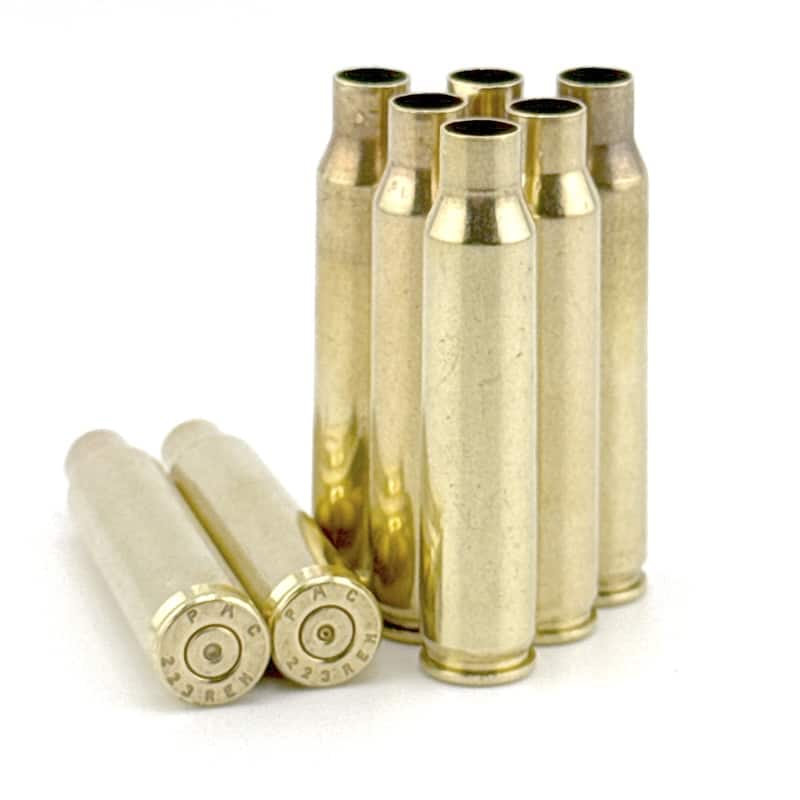
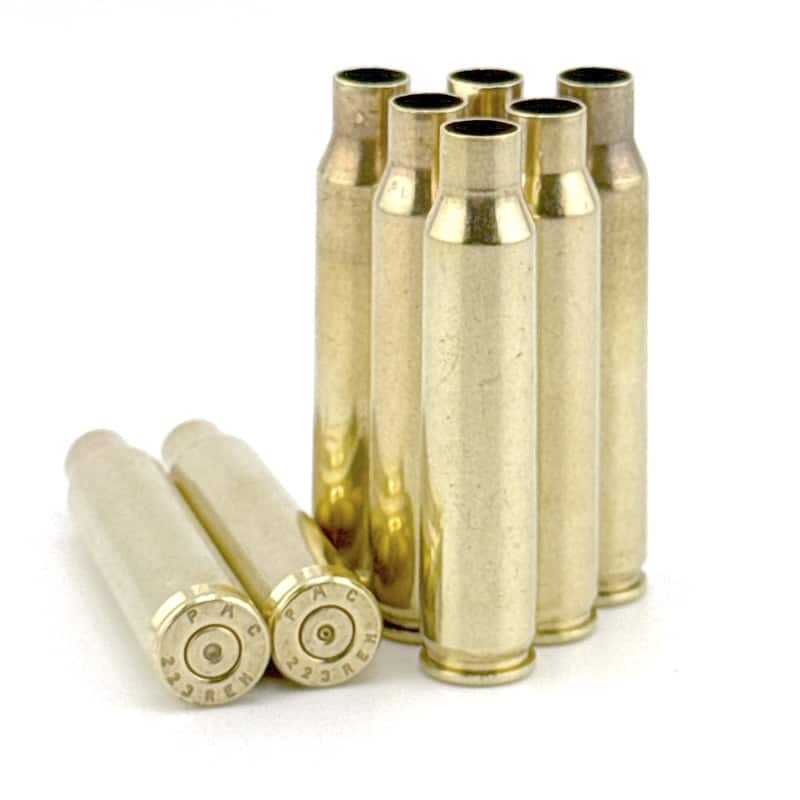
The .223/5.56 5.56 law enforcement training brass lot is what high volume AR reloaders have been asking for: 2,500 certified once fired cases, cleaned and polished, ready to size. Agency training brass comes from a controlled environment rather than a public range floor, which means you know what you are getting. That single fact is worth more than any bargain bin bucket of mystery cases.
Why .223/5.56 5.56 Law Enforcement Brass Is Different
Range pickup brass is a lottery. Some of it has been fired once, some five times, and some of it came out of a machine gun with a chamber the size of a barn door. Certified once fired agency brass removes that guesswork because the cases were shot in duty rifles, collected on site, and processed as a batch.
Volume shooters feel the difference immediately. Sizing effort is consistent, case heads look uniform, and the number of pieces you throw away during inspection drops sharply. If you load thousands of rounds a year for practice and competition, .223/5.56 5.56 law enforcement stock is the raw material that keeps a progressive press running.
Features That Justify the Buy
- 2,500 count lot, enough brass to keep an AR fed for a very long time.
- Certified once fired, so case life is largely intact rather than half spent.
- Cleaned and polished before packing, which means it goes straight to the sizing die.
- Sourced as .223/5.56 5.56 law enforcement training brass rather than mixed public range sweepings.
- Works for both .223 Remington and 5.56 NATO handloads, depending on your recipe and chamber.
Specifications Inside the .223/5.56 5.56 Law Enforcement Lot
What arrives is 2,500 pieces of cleaned and polished once fired brass in .223 and 5.56 configuration. There is no powder, primer, or projectile in the box, which is the whole point of buying components. From there the process is familiar: inspect, size, trim to length, and load.
Check primer pockets before you get too far. Military specification cases often carry a crimped primer pocket that needs swaging or reaming before a new primer will seat, and duty ammunition frequently uses that spec. Handle that step once, then pair the finished cases with bullets and powder alongside our ammunition and components range.
Loading, Storage, and Getting Value from the Lot
Sort by headstamp if you shoot for score, and skip sorting entirely if you are building blasting ammunition for carbine classes. Most reloaders split the difference: pull the uniform headstamps for precision loads and dump the rest into a practice bin. A .223/5.56 5.56 law enforcement lot of this size gives you enough of both to make that worthwhile.
Trim length matters more in a semi automatic rifle than most beginners expect. Cases stretch on firing, and a long case can pinch the bullet in the throat and spike pressure. Set a trim length, stick to it, and check a sample from every batch you run.
Store the brass dry and sealed. Polished cases look fantastic on day one and will tarnish quickly in a damp basement, and while tarnish is cosmetic, real corrosion is not. Sealed buckets or ammo cans with a desiccant pack keep 2,500 pieces in press ready condition indefinitely.
Think about the economics for a moment. Once fired brass is the single largest cost in a loaded rifle cartridge, and a case that gets reloaded five or six times spreads that cost across every round you shoot. Buying in bulk at the front end is what makes handloading genuinely cheaper than factory ammunition rather than merely more interesting.
Bulk .223/5.56 5.56 law enforcement stock does not stay listed for long, because the people who load in volume know exactly what it is worth. Buy the lot, prep it once, and enjoy several years of not thinking about where your cases are coming from. This ammunition ships straight to your door wherever state and local law allows.


Reviews
There are no reviews yet.