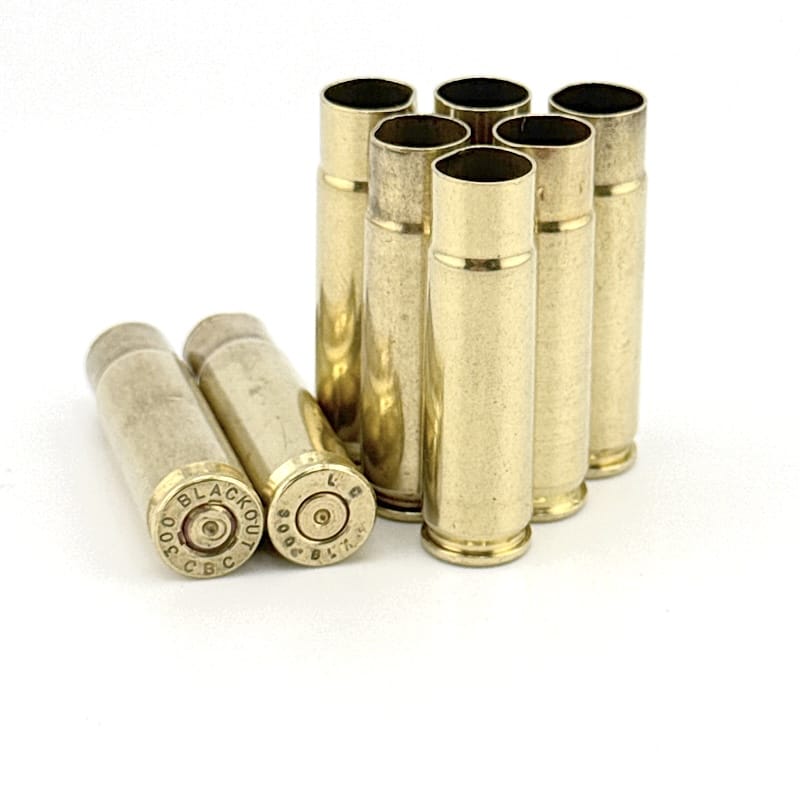
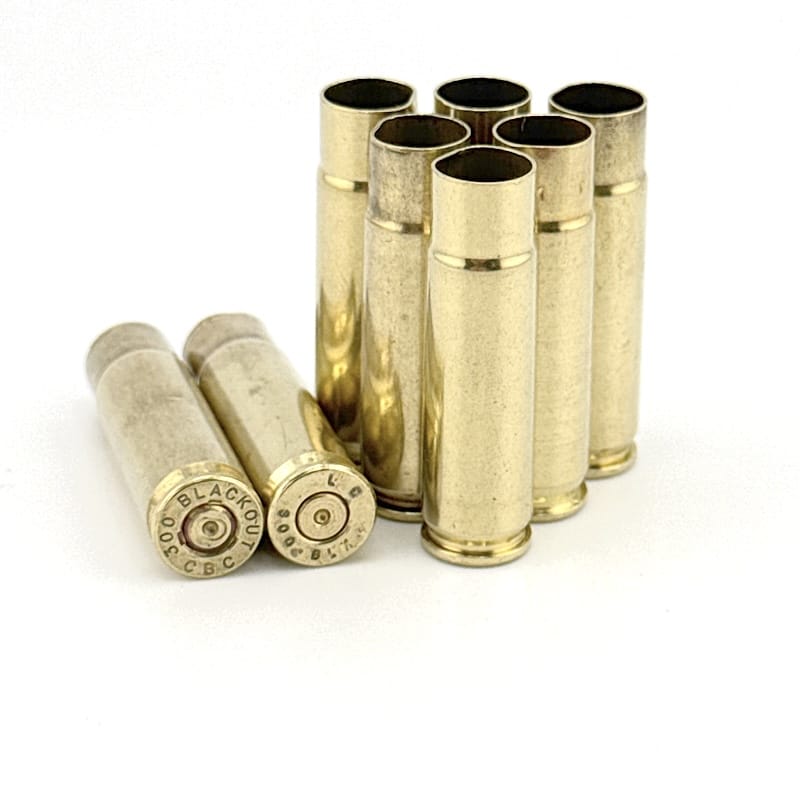
This .300 AAC Blackout range brass lot delivers 500 pieces of once fired cases with small primer pockets, ready for the reloading bench. Anyone who shoots this cartridge in volume already knows that brass is the limiting factor, and buying it by the 500 count solves that problem for a long time. It is the least glamorous purchase a Blackout shooter can make and easily one of the most useful.
Who this .300 AAC Blackout brass lot is for
Handloaders, first and last. The 7.62x35mm cartridge is a reloader’s dream because it thrives on cast and plated bullets, modest powder charges, and subsonic experimentation that factory ammunition rarely covers well. Very little powder goes into each case, which makes the cost per round remarkably low once you own the brass.
Volume shooters get the most out of a 500 count lot. Suppressor owners running subsonic loads, hog hunters, and anyone feeding a short barreled carbine will burn through brass faster than expected once they start enjoying the platform. Five hundred pieces is roughly the point where you stop worrying about losing a few in the grass.
This range brass also gives new reloaders a low risk entry point. You can afford to make mistakes on cases that cost a fraction of new brass, and mistakes are how the learning happens. The cartridge is also forgiving to load, with short cases, modest charges, and a wide selection of usable bullets.
What is in the 500 count lot
Read this section carefully, because this .300 AAC Blackout listing is honest about exactly what shows up.
- Five hundred pieces of once fired range brass in 300 Blackout, also known as 7.62x35mm.
- Small primer pocket cases, which is worth confirming against the primers already on your shelf.
- The lot may contain up to 40 percent 223 and 5.56 conversions, formed from the parent case.
- Mixed range pickup condition, so plan on a full inspection pass before anything gets loaded.
- A quantity that supports genuine high volume loading rather than a single test batch.
Specifications and what the conversion note means
Conversions are cases formed from 223 or 5.56 brass rather than manufactured as .300 AAC Blackout cases from the start. They work well, they are the historical origin of the cartridge, and plenty of excellent handloads have been built on them for years. The rim, the base, and the primer pocket are all identical, which is why the conversion works so cleanly.
What they do require is attention. Converted cases can vary slightly in wall thickness and length, so trim everything to a uniform length and check neck tension before you commit to a full .300 AAC Blackout production run. Components and loaded rounds are available in the wider ammunition category when you are ready to build.
Prep, storage, and loading workflow
Inspect, clean, and sort before anything else. Check for split necks, crushed shoulders, and any case that looks noticeably short, and confirm the primer pocket size on a sample before you buy primers in bulk.
Trim to a uniform length and chamfer. A .300 AAC Blackout case is short and stubby, which makes it fast to process, and 500 pieces move through a progressive setup quicker than most rifle brass you will ever handle.
Store prepped cases in a sealed container with a desiccant pack. Dry, sorted, ready to load brass turns a .300 AAC Blackout loading session into an hour of production rather than an evening of preparation.
Buy the brass, prep it once, and enjoy years of cheap, quiet shooting from a cartridge that rewards handloaders more than almost any other. A 500 count .300 AAC Blackout lot is exactly the right amount of raw material to work with. This ammunition ships straight to your door wherever state and local law allows.



Reviews
There are no reviews yet.