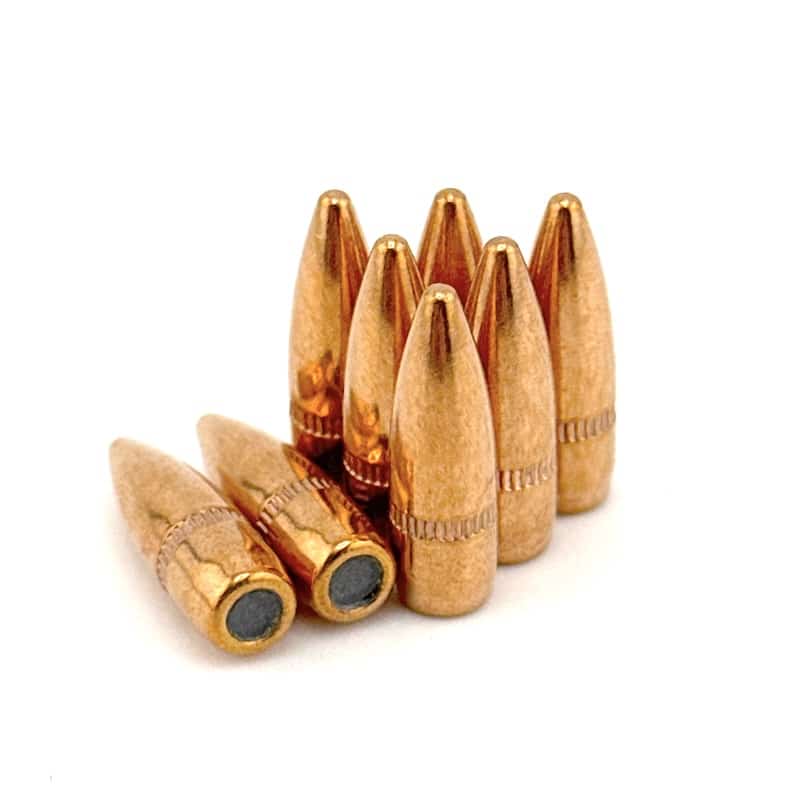
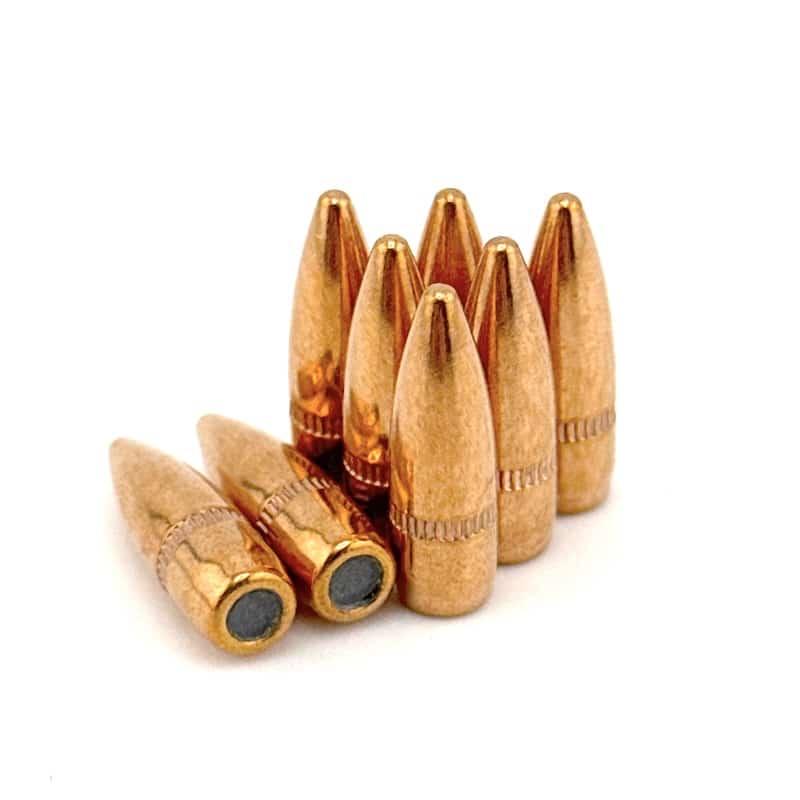
Anyone loading their own .22 ammo for an AR platform should know about these 55 grain full metal jacket boat tail bullets. This bag holds 500 projectiles in .224 diameter, built to tight tolerances with consistent jackets throughout the lot. They come from Berry’s, whose first jacketed rifle bullet this is, and the specification sheet shows exactly how seriously they took it.
Who these .22 ammo components are for
These are bullets, not loaded cartridges, so this bag belongs on a reloading bench. If you already load for the 5.56 or .223 and you shoot in volume, buying projectiles 500 at a time is where the real savings live. Bullets are usually the single largest line item in a handload, so this is the place to economize.
High volume shooters get the most benefit. Anyone running an AR through carbine classes, three gun matches, or long range days will go through a 500 count bag faster than they expect, which is exactly why it is packaged this way. Running out of components in the middle of a loading session is a special kind of frustrating.
Newer handloaders are well served here too. A standard 55 grain FMJ boat tail is the most documented bullet weight in the cartridge, so load data is everywhere and the learning curve stays gentle. Rolling your own .22 ammo is one of the easiest places to start in reloading.
Specifications that matter at the press
Component .22 ammo projectiles live and die on dimensional consistency, and these numbers are published for a reason.
- Diameter of .224 inches, the standard for 5.56mm and .223 chambers.
- Bullet overall length of .740 inches, which makes seating depth easy to plan around your magazines.
- Ballistic coefficient of .245, respectable performance for a 55 grain bullet at this price point.
- Sectional density of .157, the figure that governs how the bullet carries its momentum downrange.
- Full metal jacket boat tail construction, with the tapered base that improves flight stability at distance.
- Five hundred bullets per bag, enough for a serious loading session and months of shooting after it.
What the construction actually buys you
The boat tail is the detail worth understanding. A tapered base reduces drag turbulence behind the bullet, which improves stability and helps the projectile hold its velocity better than a flat base of the same weight. That is free accuracy in a .22 ammo handload, and it costs you nothing extra at the press.
Jacket consistency is the other half of the story. These are built with the most consistent jackets and the tightest tolerances the maker has produced, which is exactly what turns a decent handload into an accurate one. Brass, primers, and loaded rounds are all available in the wider ammunition category to complete the build.
Loading, storage, and practical use
Start with published data for a 55 grain FMJ and work up carefully. This bullet weight is the default for the cartridge, so your rifle’s twist rate will stabilize it without any drama and your load development will be short. There is more published .22 ammo data for this bullet weight than for anything else you could pick.
Check your overall length against your magazines before loading a full run. The published .740 inch bullet length makes that math easy, and a dummy round cycled by hand answers the question in about a minute.
Store the bag somewhere dry and closed. Bullets do not spoil, but keeping your .22 ammo components clean and free of grit protects your dies and keeps neck tension consistent from the first round to the five hundredth.
Bulk component bullets are how volume shooters stay in the game without going broke, and this is a strong option at a fair price. Load a batch, shoot it, and order another bag of .22 ammo projectiles before you run dry. This ammunition ships straight to your door wherever state and local law allows.



Reviews
There are no reviews yet.