How to Clean Your Gun: A Simple Step-by-Step Guide for New Owners
Basic gun cleaning takes about fifteen minutes and a handful of tools. Here is the no-nonsense routine, from safe unloading to the right amount of oil.
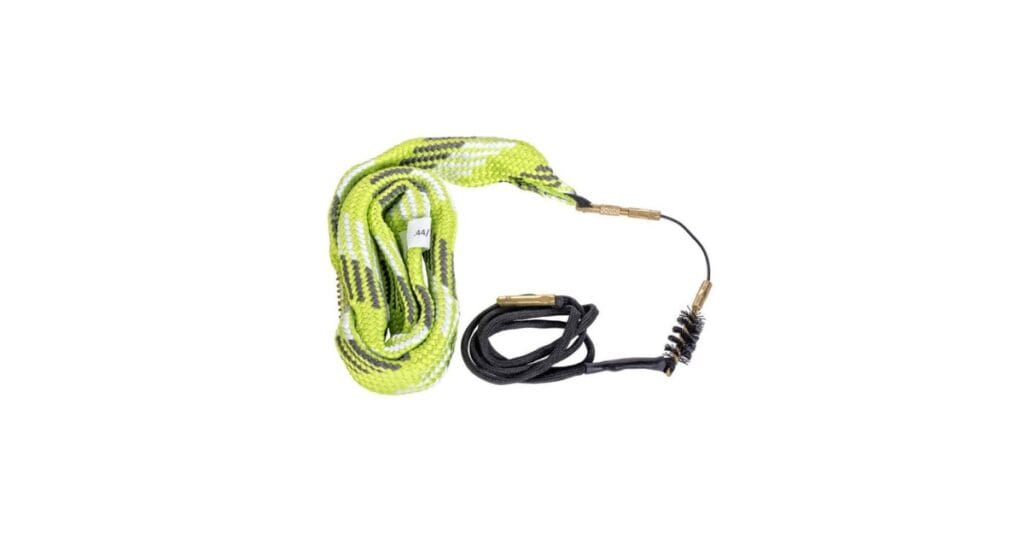
Nobody buys a gun because they are excited to clean it. But a firearm is a machine that runs on tight tolerances, heat, and pressure, and like any machine it works better and lasts longer when you keep it clean and lubed. The good news is that basic cleaning is simple, it takes fifteen minutes, and once you have done it twice you will never think about it again. This is the version I would give a friend who just bought their first pistol or AR and does not want to overthink it.
First, make sure it is unloaded
This is not filler. More negligent discharges happen during cleaning than almost any other time, because people relax once the “range part” is over. So do it deliberately every single time.
Point the gun in a safe direction. Drop the magazine. Rack the slide or open the action and physically look, and then feel with a finger, into the chamber to confirm it is empty. Keep all live ammo in another room while you work. Not on the same table, not in your pocket. Another room. When there is zero ammunition where you are cleaning, a mistake stays harmless.
What you actually need
You do not need the sixty-piece kit in the plastic case. You need a handful of things that do the real work:
- A bore snake or a cleaning rod with a jag. A bore snake is the fastest way to clean a barrel and it is hard to do wrong, which is why it is the first thing I hand a new owner.
- Bore solvent to break up carbon and copper fouling.
- Gun oil (lubricant), which is a different product from solvent. Solvent cleans, oil protects and lubricates.
- Cotton patches and a nylon brush or an old toothbrush.
- A clean rag. A shop towel is fine.
That is the whole kit. Solvent, oil, something to pull through the bore, patches, a brush, a rag.
The actual steps
Every gun field strips a little differently, so keep your owner’s manual open the first few times. The principle is the same across all of them.
- Field strip it. Break the firearm down into its main parts per the manual. For most pistols that is slide, barrel, recoil spring, frame. For an AR it is upper, bolt carrier group, charging handle.
- Clean the bore. Run a solvent-wet patch or bore snake through the barrel from chamber to muzzle. Let the solvent sit a minute to work. Then follow with dry patches until they come out mostly clean. “Mostly” is fine. You are not chasing a mirror finish, you are removing fouling.
- Scrub the carbon. Hit the areas that get sooty, the breech face, the bolt, the feed ramp, with the brush and a little solvent. On an AR, the bolt carrier group and the tail of the bolt collect the most crud.
- Wipe everything down. Clean off the loosened gunk with your rag and dry patches. You want the parts clean and dry before oil.
- Lubricate. This is where most new owners go wrong in one of two directions, drowning it or skipping it. A thin film on the parts that slide against each other is the target. Slide rails, the outside of the barrel where it rubs, the bolt carrier. A drop or two, spread thin. If oil is dripping or pooling, you used too much, and excess oil just collects dust and burns off.
- Reassemble and function check. Put it back together, rack it a few times, and confirm it feels right and the safety works. Still no ammo in the room.
How often should you clean it?
You can relax here. Modern firearms are more forgiving than the internet suggests, and you do not need to strip your gun after every twenty rounds.
- After a range trip: a quick clean, mostly the bore and a wipe-down, then a fresh light coat of oil. Fifteen minutes.
- A carry or home-defense gun that mostly sits: check it every couple of months. Even unused, oil migrates and dust settles, and you want it to run when it matters.
- After it gets wet or dirty: clean it before you store it. Water is what rusts a barrel, not rounds fired.
The one habit worth building: never put a gun away wet or freshly rained on. A minute of oil beats a rust pit you cannot undo.
Common mistakes to skip
- Over-oiling. More is not better. Excess oil attracts grit and can cause light-strike issues in the cold. Thin film only.
- Using WD-40 as gun oil. It is a water displacer, not a lubricant, and it can gum up over time. Use a product made for firearms.
- Cleaning the bore from the muzzle when you can avoid it. Push from the chamber end when the design allows, so you are not dragging grit across the crown, the very tip of the muzzle that affects accuracy.
- Losing small parts. Field strip over a towel on a table, not over a carpet or a sink drain. Detents and springs love to launch.
Gun cleaning frequently asked questions
How often should I clean my gun?
A light clean after each range trip and a check every couple of months on guns that mostly sit. Always clean before storing a firearm that got wet or dirty.
Can I over-oil a firearm?
Yes, and it is the most common first-timer mistake. Excess oil collects dust and grit and can cause reliability problems in cold weather. A thin film on the moving parts is all you want.
Can I use WD-40 to clean my gun?
Skip it. WD-40 is a water displacer, not a gun lubricant, and it can leave a sticky residue over time. Use a dedicated bore solvent to clean and a dedicated gun oil to lubricate.
Do I need to clean a brand-new gun before shooting it?
It is a good idea. New firearms often ship with heavy shipping grease or oil that is meant for storage, not shooting. A quick wipe-down and a proper light lube before the first range trip is worth the ten minutes.
What is the fastest way to clean the barrel?
A bore snake. You wet the leading section with solvent, drop the weighted cord through the chamber, and pull the whole thing through in one motion. It does in one pass what a rod and patches do in several.
Shop what you just read about
Ammunition, optics, parts and gear, shipped to all 50 states. Firearms transfer through your local dealer.
Browse the inventoryKeep reading
Kansas Deer Season 2026: An 11-Week Countdown to the Dec. 2 Rifle Opener
Kansas firearm deer season opens Wednesday, Dec. 2, 2026, and closes Sunday, Dec. 13. Archery and muzzleloader seasons open today,…
Read more ›
Aero Precision MOD 4 Handguard: Which Length to Buy and What It Fits
The Aero Precision MOD 4 handguard is the part people call us about most. The questions are nearly always the…
Read more ›
IWB vs OWB Holsters: How to Choose the Right Carry Holster
IWB hides better, OWB is more comfortable and faster. Here is the honest difference between the two carry styles and…
Read more ›