

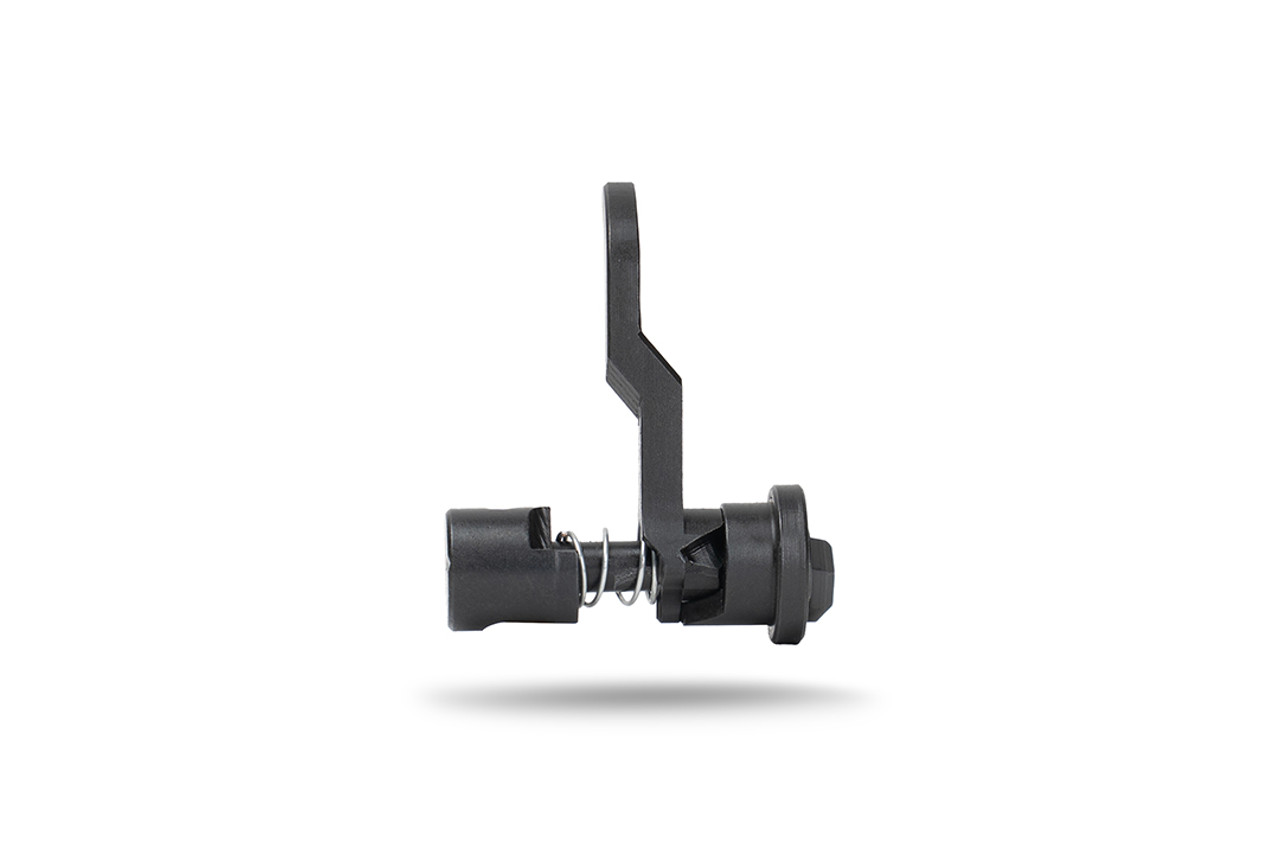
The Atrius Forced Reset Selector is a steel AR-15 component that has attracted a lot of attention, and it deserves a clear, straight explanation rather than hype. It is machined from steel, it occupies the selector position on the lower receiver, and it is built to a standard you can feel in the hand.
Before anything else: this is a category of product with meaningful legal complexity. Read the compliance section below before you order.
What the Atrius Forced Reset Selector is
This is a fire control related selector component for AR-15 pattern rifles, manufactured by Atrius from steel. It replaces the standard safety selector position on the lower receiver, and installation follows the same basic path as any selector swap.
Steel is the correct material choice for this part. Selector components live in a high wear, high contact environment where a detent rides against the shaft every time the lever is rotated. Aluminum and polymer wear grooves over time. Properly finished steel does not.
The buyer for this is the experienced AR owner who understands their own fire control group, maintains their own rifle, and has done the legal homework for their jurisdiction.
Features worth understanding
- Steel construction for wear resistance in a component that sees constant detent contact.
- Designed for the standard AR-15 selector position, so it works with the platform you already own.
- Machined rather than cast, which is what keeps detent engagement crisp instead of mushy.
- Made by Atrius, a brand that builds this category of component as its focus rather than a sideline.
- Straightforward installation for anyone comfortable removing a lower receiver’s fire control components.
Specifications and what they mean
The specification list for the Atrius Forced Reset Selector is short and honest: steel material, forced reset selector type, Atrius brand. Nothing here is padded with numbers that do not matter.
Steel matters most. The selector shaft rides against a spring loaded detent through its full range of travel, and every rotation is a small abrasion event. A steel part with a proper finish keeps positive, tactile detent clicks after years of use, while softer materials round off and become vague.
Being built for the standard AR-15 selector geometry means the Atrius Forced Reset Selector drops into the receiver pocket the platform already provides. There is no receiver modification, no permanent alteration and no gunsmithing required for fitment.
Machining quality is what separates a good selector component from a poor one. Clean detent tracks, correct shaft diameter and a properly finished surface are the details that determine whether the part feels precise or gritty.
Legal compliance, installation and care
This is the important part. Forced reset devices have been the subject of federal regulatory action, litigation and shifting guidance, and state law varies enormously on top of that. It is entirely your responsibility to confirm that this component is lawful to possess and install where you live before you buy it, and to keep up with changes. If you are unsure, consult a qualified attorney rather than an internet forum.
Installing an Atrius Forced Reset Selector follows normal selector procedure. Clear the rifle, confirm it is empty a second time, separate the upper and lower, remove the grip and manage the detent and spring carefully because they launch across rooms. Reassemble, then function check thoroughly on an empty rifle before any live fire.
Keep the part clean and lightly lubricated. Steel in a fire control area collects carbon, and carbon plus dry steel is how a crisp component turns into a sticky one. Wipe it down when you clean the rest of the lower.
Feed your rifle properly while you are at it. Our ammunition category stocks 5.56x45mm and .223 Remington in box and case quantities.
Buy informed, install carefully, and stay compliant. This ammunition ships straight to your door wherever state and local law allows.



Reviews
There are no reviews yet.