Ammo Storage: How to Keep Ammunition Safe and Shootable for Years
Ammo storage done right: ideal temperature and humidity, sealed cans and desiccant, safety and legal notes, plus how to spot ammunition that has gone bad.

Good ammo storage is the cheapest insurance in shooting: a few dollars of desiccant and a sealed can are the difference between ammunition that fires flawlessly in thirty years and a case of duds you paid full price for. Modern factory ammunition is remarkably durable. Military surplus given decent ammo storage in sealed containers has performed reliably after seventy years and more. What kills ammunition is not age. It is moisture, heat and the daily temperature swings of a garage, an attic or a car trunk.
What Ammo Storage Is Protecting Against
Three things ruin cartridges, in this order of importance.
- Moisture. The primary killer. Water vapour degrades primer compounds, corrodes brass and can migrate past case mouth and primer seals over time. Corroded cases also chamber badly and extract worse.
- Heat. Elevated temperature accelerates the chemical breakdown of propellant and priming compounds. Sustained storage above 100 degrees Fahrenheit measurably shortens usable life, and a closed vehicle or an uninsulated attic in summer goes far past that.
- Temperature cycling. This is the ammo storage variable people miss. Every heating and cooling cycle makes the air inside a container expand and contract, drawing in humid outside air. Over hundreds of cycles that pumps enough moisture into a container to do real damage, even where the average humidity looks acceptable. A stable cool place beats a cooler place that swings.
Physical damage matters too. Dropping loose rounds into a bucket and shaking them around sets bullets deeper into cases, which raises pressure when fired. Loose ammunition should not rattle around unsupported.
The Ammo Storage Conditions to Aim For
The target environment is boring and stable. Aim for roughly 55 to 70 degrees Fahrenheit and relative humidity below 50 percent. Below about 50 percent humidity, corrosion effectively stops. Above roughly 70 percent, brass corrosion and primer degradation become a real risk over a matter of years rather than decades.
- The best ammo storage spot is an interior closet, basement shelf or conditioned room, not a garage, attic or shed.
- Off the concrete floor. Concrete wicks moisture and stays cold, which encourages condensation on the containers sitting on it.
- Away from solvents, ammonia based cleaners, pool chemicals and fertilizer. Ammonia vapour attacks brass directly and will produce stress cracks in cartridge cases.
- Out of direct sunlight and away from heat sources such as water heaters and furnaces.
Containers, Desiccant and a Simple System
Ammo storage hardware is one of the few areas where the cheap answer is also the correct answer. The classic container is still the best one. A steel military style ammunition can with an intact rubber gasket, latched closed, is airtight, watertight, opaque, stackable and cheap. Check the gasket: a hardened or cracked seal makes the can no better than a cardboard box, and replacement gaskets cost a couple of dollars. Quality polymer ammo cans with an O-ring seal work equally well and weigh less.
- Add desiccant. Silica gel packs inside each can hold the internal humidity down. Rechargeable indicating desiccant is worth the small premium because the colour tells you when it is saturated. Check every six to twelve months and recharge or replace.
- Add a humidity indicator card. A few cents each and it turns your storage from guesswork into a five second visual check.
- Keep the factory boxes. They stop rounds knocking together, and they preserve the headstamp, load and lot information you will want later.
- Label everything. Caliber, bullet weight, load type and the date you sealed the can, written on masking tape on the lid.
- Rotate stock. Shoot the oldest first. A simple first in, first out habit means nothing sits forgotten for a decade.
Vacuum sealing individual bricks before they go in the can adds another moisture barrier and is genuinely useful for long term ammo storage you do not expect to touch for years. It is unnecessary for the range ammunition you will shoot this season.
Ammo Storage Safety and the Law
Ammunition is not a bomb. Sporting ammunition burning in a fire while outside a chamber does not mass detonate; individual rounds pop and the case fragments have very little energy behind them, because the pressure that would otherwise drive a bullet simply escapes. That research is why SAAMI produced its long running fire service guidance with the International Association of Fire Chiefs. Ammo storage in sturdy closed containers is exactly what fire services prefer, because it keeps rounds contained.
That said, treat quantity sensibly. Do not store ammunition inside a sealed pressure vessel, and do not store it next to flammable liquids. Storing propellant and primers is a different subject with its own rules, since smokeless powder and primers are far more sensitive than loaded cartridges.
The legal side of ammo storage varies. Some states and municipalities regulate how much ammunition may be kept in a residence, and some require ammunition to be stored locked or separate from firearms, particularly where minors live in the home. A number of states also restrict direct residential delivery of ammunition and require it to go to a licensed vendor. Check your own state and local rules rather than assuming, and if you are unsure whether we can ship to your address, our FAQ page lists the current shipping restrictions we apply.
How to Tell If Old Ammunition Is Still Safe
Even careful ammo storage does not make a cartridge immortal, so inspect before you load. Look for green or blue verdigris on the case, heavy pitting or dark staining, split or bulged cases, bullets that move when twisted by hand, and primers that are backed out, discoloured or dented. Light surface tarnish on otherwise sound brass is usually cosmetic. Anything with visible corrosion at the case mouth or primer pocket goes in the scrap bucket, not the chamber.
Rimfire ammunition deserves extra care. The priming compound is spun into the rim rather than sealed in a cup, and .22 LR is often lubricated rather than jacketed, so it is more sensitive to humidity and to heat than centerfire ammunition. Store rimfire in the same sealed cans and do not leave it in a hot car.
If in doubt, test a small sample at the range rather than trusting a whole case for defensive use. When you do need to restock, our ammunition selection lists lot fresh factory loads by caliber and bullet weight.
Ammo Storage: Frequently Asked Questions
How long does ammunition really last?
Properly stored modern factory ammunition commonly remains reliable for decades, and well sealed military stock has performed after more than seventy years. Poorly stored ammunition can become unreliable within a few years. The ammo storage conditions matter far more than the date on the box.
Is a refrigerator or freezer a good place to store ammo?
No. The temperature is stable but the humidity and the condensation on removal are exactly what you are trying to avoid. A cool interior closet with desiccant beats any appliance for ammo storage.
Do I need to store ammunition in a safe?
Not for preservation, though a safe is a fine ammo storage location if it is dry and holds a dehumidifier rod. Storing it secured is worth doing for household safety, and in some states secure storage is legally required in certain circumstances, so check your local rules.
Shop what you just read about
Ammunition, optics, parts and gear, shipped to all 50 states. Firearms transfer through your local dealer.
Browse the inventoryKeep reading
Ammo Prices in 2026: What to Buy Before Deer Season, What Can Wait for the Holiday Sales
Ammo costs more than it did a year ago. Several of the biggest US ammo brands raised prices in April…
Read more ›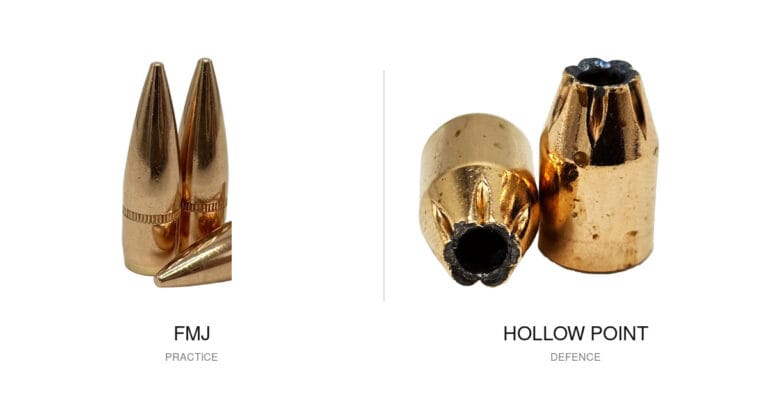
FMJ vs Hollow Point: Which Ammo Should You Actually Buy?
FMJ is for practice, hollow point is for defence. Here is what actually differs, why overpenetration is the argument that…
Read more ›
.223 vs 5.56: The Real Difference, and Which One Your Rifle Can Shoot
A rifle stamped 5.56 shoots both .223 and 5.56; a rifle stamped .223 should not shoot 5.56. Here is why,…
Read more ›