Buckshot vs Birdshot vs Slugs: Shotgun Shells Explained
Birdshot is for birds, buckshot for defense, and slugs for range and penetration. Here is what each shotgun shell does and when to use it.
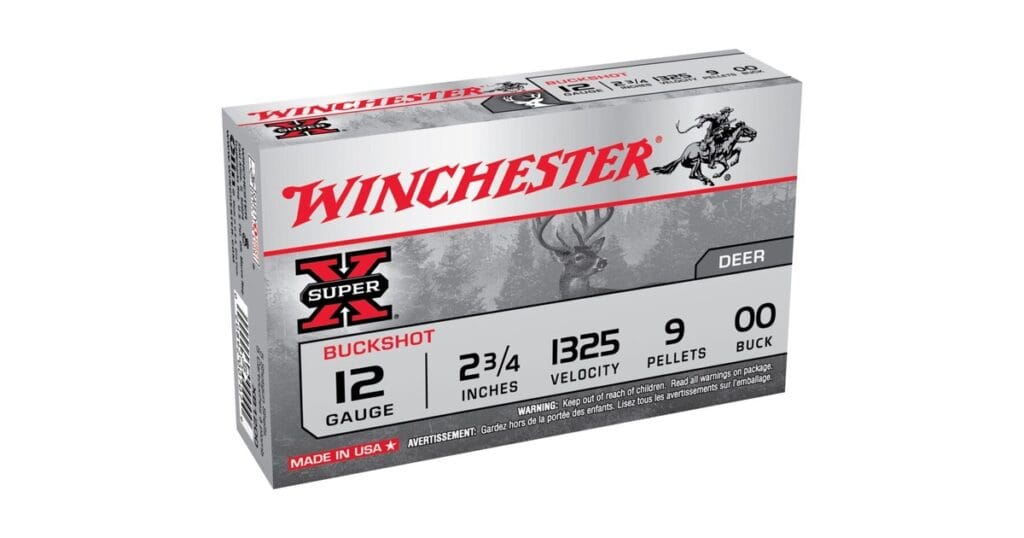
A shotgun is only as good as the shell you feed it, and the three main types, birdshot, buckshot and slugs, are built for completely different jobs. Load the wrong one and you either miss the point of the gun or create a safety problem. Here is what each does and when to reach for it.
Short version: birdshot is for birds and small game, buckshot is for defense and larger game up close, and a slug is a single projectile for range and penetration. The pellet size is the whole story, from a cloud of tiny pellets to one solid slug.
It all comes down to what is inside the shell
Every shotshell launches a payload down the barrel. What changes is that payload:
- Birdshot: many small pellets, from fine #8 and #9 up to larger #4 and BB. A wide, forgiving cloud with limited penetration.
- Buckshot: a handful of large pellets, most commonly 00 (“double-aught”), roughly .33 caliber each. Fewer, heavier, hard-hitting projectiles.
- Slug: one solid projectile, essentially turning the shotgun into a short-range big-bore rifle.
Birdshot: small game and clays
Birdshot spreads a lot of small pellets over a wide pattern, which is exactly what you want for fast, small, moving targets, upland birds, waterfowl, clay pigeons and small game. The small pellets shed energy quickly, so penetration is shallow. That makes it great for its intended job and a poor choice for stopping a threat, where you need penetration to reach vitals.
Use it for: hunting birds and small game, and shooting clays. Not for: home defense, where it lacks the penetration to be reliable.
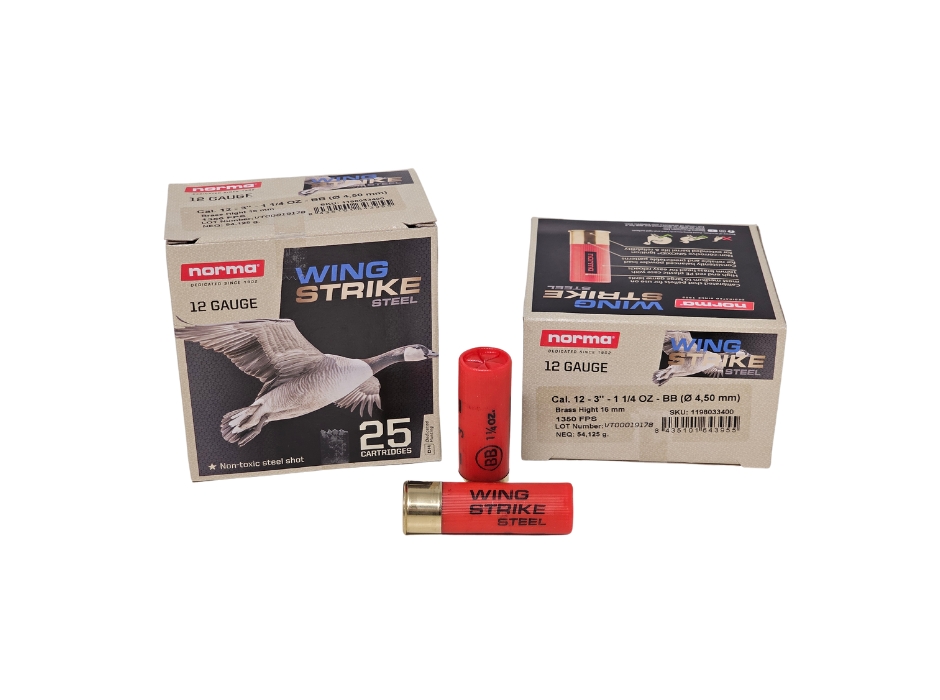
Buckshot: defense and larger game up close
Buckshot is the classic home-defense and close-range hunting load. Those large 00 pellets, usually eight or nine of them in a 12 gauge shell, hit hard and penetrate deep enough to be effective, while still giving you the multiple-projectile advantage of a shotgun. Inside typical home-defense distances the pattern stays tight, so shot placement still matters.
The thing to respect is over-penetration: buckshot can pass through interior walls, so know what is beyond your target. Reduced-recoil buckshot loads are popular for defense because they are far easier to control for fast follow-up shots.
Use it for: home defense and larger game like deer at close range. Browse defensive and hunting shotgun ammo by load.
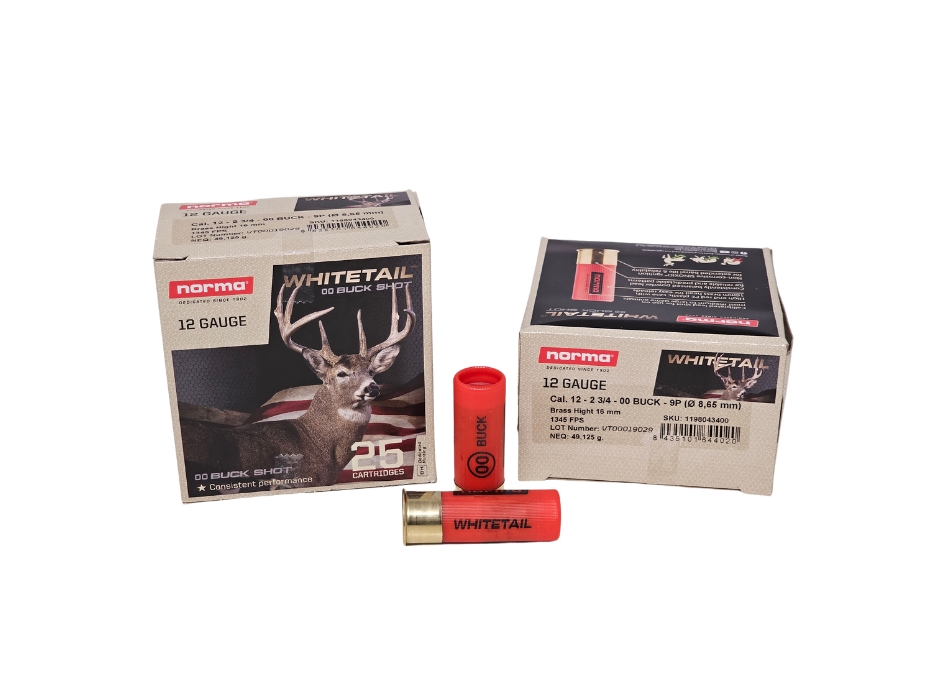
Slugs: one projectile, real range
A slug is a single heavy projectile that turns your shotgun into a short-range rifle. It flies far straighter and farther than shot and hits with tremendous force, which makes it the choice for deer and larger game where a single accurate hit matters, and for reaching past the useful range of buckshot. Slugs kick hard and demand more of your aim, since there is no pattern to help you.
Use it for: deer and larger game, and any situation that needs range and penetration from a shotgun.
Which should you keep loaded?
- Home defense: buckshot, ideally a reduced-recoil 00 load. Birdshot does not penetrate reliably; slugs over-penetrate and are hard to place fast indoors.
- Birds and clays: birdshot, sized to the game.
- Deer: slugs, or buckshot at close range where legal.
- One box to learn the gun: cheap birdshot or target loads are the affordable way to practice; keep your defensive buckshot separate.
Not sure which shotgun to build this around? See our guide on 12 gauge vs 20 gauge.
Buckshot, birdshot and slugs frequently asked questions
Is birdshot good for home defense?
Not really. Birdshot spreads a lot of small pellets but does not penetrate deeply enough to reliably stop a threat. Buckshot is the standard defensive load for a shotgun.
What is 00 buckshot?
00, said “double-aught,” is the most common buckshot size, with pellets around .33 caliber. A 12 gauge 00 shell typically carries eight or nine of these heavy pellets, which is why it is the go-to defensive load.
Will buckshot go through walls?
Yes, it can pass through interior walls, so always know what is beyond your target. This is true of nearly every defensive round, and it is why shot placement and awareness matter.
Can you hunt deer with a shotgun?
Yes. Slugs are an effective deer load inside shotgun range, and buckshot is used for deer at close range where it is legal. Check your state regulations.
What is the difference between a slug and buckshot?
Buckshot fires several large pellets in a spreading pattern for close range. A slug is a single solid projectile that flies straight and far, giving a shotgun rifle-like range and penetration.
Shop what you just read about
Ammunition, optics, parts and gear, shipped to all 50 states. Firearms transfer through your local dealer.
Browse the inventoryKeep reading
Ammo Prices in 2026: What to Buy Before Deer Season, What Can Wait for the Holiday Sales
Ammo costs more than it did a year ago. Several of the biggest US ammo brands raised prices in April…
Read more ›
FMJ vs Hollow Point: Which Ammo Should You Actually Buy?
FMJ is for practice, hollow point is for defence. Here is what actually differs, why overpenetration is the argument that…
Read more ›
.223 vs 5.56: The Real Difference, and Which One Your Rifle Can Shoot
A rifle stamped 5.56 shoots both .223 and 5.56; a rifle stamped .223 should not shoot 5.56. Here is why,…
Read more ›